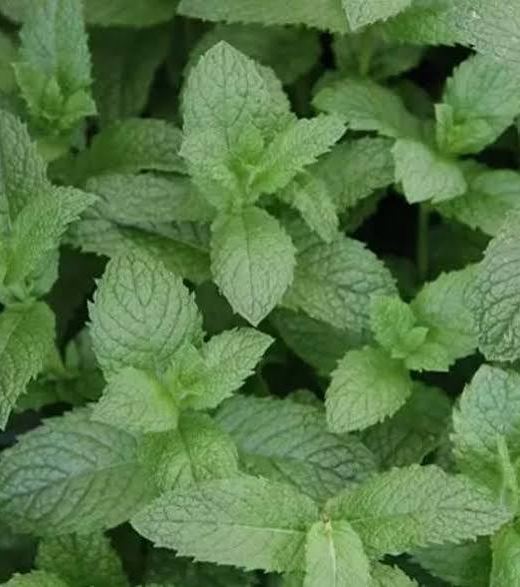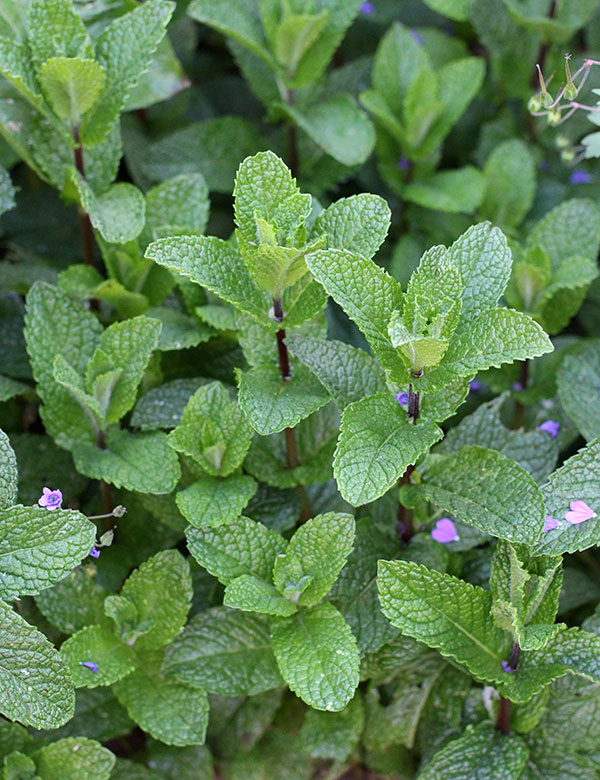

Spearmint (Mentha spicata) is a vigorous, aromatic perennial herb prized for its cool, sweet mint flavor and wide range of culinary, household, and traditional herbal uses. Its bright green leaves are commonly used fresh or dried in teas, sauces, salads, desserts, beverages, jellies, and savory dishes, and its fragrance makes it one of the most recognizable members of the mint family.
Spearmint grows quickly through spreading underground rhizomes and can form large colonies when planted directly in the ground. For gardeners who want to keep it contained, pots and raised beds are often the easiest way to manage its enthusiastic growth. It performs best in consistently moist, fertile soil and can grow in full sun or partial shade, especially in hot Southern climates.
Unlike many Mediterranean herbs, spearmint appreciates regular moisture and can tolerate heavier soils better than rosemary or lavender. In the Southeast, afternoon shade can help reduce heat stress and keep the foliage tender during summer. Flower spikes appearing in summer are attractive to bees and other pollinators.
Spearmint also has a long history of traditional use for digestive comfort, nausea, gas, and general digestive support. Its aromatic oils contain compounds including carvone and limonene that contribute to its characteristic flavor and continue to be studied for biological activity. Kew recognizes Mentha spicata as a perennial species native from Europe eastward into Asia.